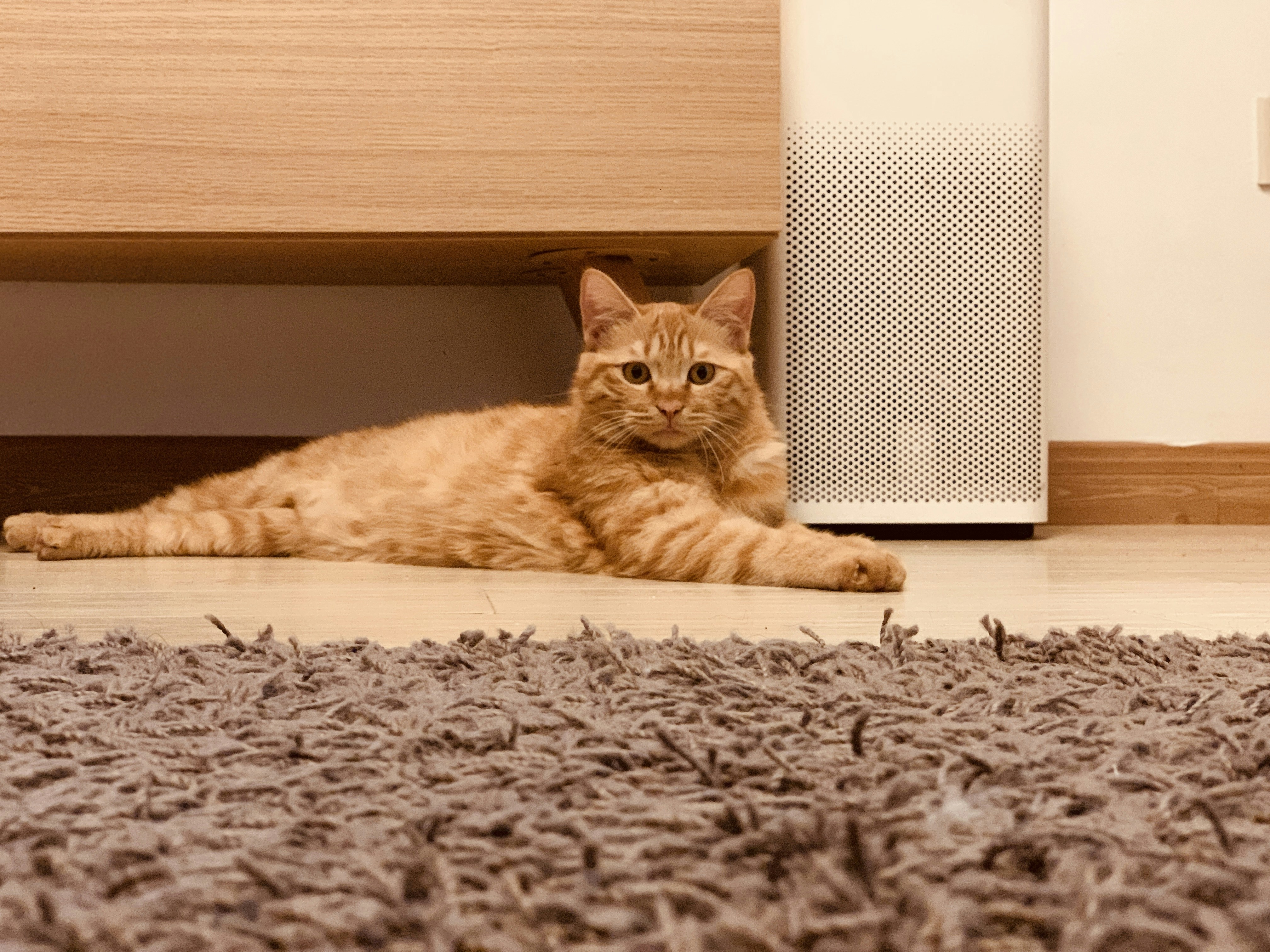
Introduction to Air Purifiers for Pets
Indoor air quality has become an increasingly significant concern for households, particularly for pet owners who share their living spaces with animals. Air purifiers play a crucial role in maintaining a healthy environment, especially for those who have cats or other pets that can contribute to allergens and odors. These devices are designed to filter and cleanse the air, removing particulate matter and potential irritants that may affect the respiratory health of both humans and animals.
One of the most common issues faced by pet owners is the presence of pet dander, which consists of tiny flakes of skin shed by cats and dogs. This dander can become airborne, leading to allergic reactions in sensitive individuals and creating discomfort for all inhabitants in the home. Additionally, pet odors can infiltrate furniture and carpets, making it challenging to maintain a fresh-smelling indoor atmosphere. Air purifiers equipped with HEPA filters are particularly effective at capturing these small particles, thereby improving overall indoor air quality.
Furthermore, the rise of indoor air pollution from various sources—including dust, mold, and volatile organic compounds—has necessitated a greater awareness of air quality concerns. As people spend more time indoors, the demand for cleaner air has grown. For pet owners, investing in an air purifier can significantly reduce airborne pollutants, alleviate allergy symptoms, and enhance comfort within the home. By choosing the right air purifier, pet owners can create a healthier living space for themselves and their beloved animals, making indoor environments more enjoyable and safer.
Understanding Pet Dander and Odors
Pet dander consists of tiny, lightweight flakes shed by cats, dogs, and other furry animals. These microscopic particles are a combination of skin cells, hair, and saliva, and they can easily become airborne, lingering in the indoor environment. Once released, pet dander can remain in the air and on surfaces for an extended period, contributing to indoor air pollution and affecting overall air quality.
The presence of pet dander in homes can have significant health implications, particularly for individuals with allergies or asthma. Allergens contained in pet dander can provoke allergic reactions, leading to symptoms such as sneezing, nasal congestion, itchy eyes, and skin irritations. For those with asthma, exposure to pet dander may exacerbate respiratory issues, making it essential to manage indoor air quality effectively.
In addition to dander, pet ownership often introduces various odors; this is particularly true for cats and dogs. Common sources of unpleasant smells include pet urine, feces, and even the natural body odors of the animals themselves. Cat litter boxes can be a notable contributor to indoor odors, as can areas where pets sleep or spend significant time. These odors can make a living space uncomfortable, masking other pleasant scents and potentially deterring visitors.
Effective air purification is crucial in addressing the dual challenges of pet dander and odors. By investing in a quality air purifier designed to capture fine particles and neutralize unpleasant smells, individuals can significantly improve their indoor environment. A well-chosen air purifier not only helps reduce the concentrations of allergens in the air but also contributes to a fresher and more inviting home atmosphere, thereby enhancing the quality of life for both pets and their owners.
Key Features to Look for in an Air Purifier
When selecting an air purifier particularly designed for pet owners, several key features must be prioritized to ensure effective filtration of pet dander and odors. The first essential aspect is the HEPA filter, which stands for High-Efficiency Particulate Air filter. This type of filter is renowned for its ability to capture 99.97% of particles that are as small as 0.3 microns, including pet dander, dust mites, and pollen. For households with pets, a HEPA filter is critical as it reduces allergens significantly, thus contributing to a healthier indoor environment.
Another necessary feature is the activated carbon filter. This filter works by absorbing gases and volatile organic compounds (VOCs), which can emanate from pet odors. The inclusion of activated carbon in the air purifier enhances its ability to neutralize unpleasant smells, making it an indispensable tool in homes with pets.
Moreover, consumers should pay attention to the CADR ratings, which indicate the Clean Air Delivery Rate of the purifier. These ratings provide insight into the volume of filtered air delivered and are essential for assessing the efficiency of an air purifier. A higher CADR rating signifies that the air purifier can effectively remove contaminants faster. Pet owners should look for air purifiers with CADR ratings tailored for dust, pollen, and smoke, all of which correlate to pet dander and odor control.
Noise levels are also a critical consideration, as pet owners often require quiet operation to avoid disturbing pets. Opting for purifiers with different fan speeds can help achieve a quieter ambiance while still ensuring a thorough air cleaning process. Lastly, room size coverage is paramount; ensure that the chosen air purifier matches the size of the room it will be used in to maximize efficiency in tackling pet-related pollutants.
Top Air Purifiers for Pet Dander and Odors
When selecting an air purifier for pet dander and odors, it is essential to consider models designed with specific features that cater to pet owners. Below, we review several top air purifiers currently on the market that effectively eliminate airborne pet allergens and unpleasant smells.
1. Coway AP-1512HH Mighty Air Purifier
The Coway Mighty is a compact yet powerful air purifier equipped with a four-stage filtration system including a pre-filter, activated carbon filter, and HEPA filter. It is efficient in capturing pet dander and odors. With a clean air delivery rate (CADR) of 246 cubic feet per minute (CFM), it is suitable for medium to large rooms. The price range is approximately $230-$250. Pros include quiet operation and energy efficiency, while the cons may be the lack of a smart feature.
2. Honeywell HPA300 HEPA Air Purifier
This powerful air purifier utilizes a True HEPA filter, ensuring the removal of 99.97% of airborne contaminants, including pet dander. The Honeywell HPA300 is ideal for large spaces, boasting a CADR rating of 300 CFM. It is priced around $250-$300. Advantages include ease of use and multiple cleaning levels. The downside is its relatively larger size compared to other options.
3. Levoit Core P350 Air Purifier
Tailored for pet owners, the Levoit Core P350 features a specialized pet allergy filter. Its high-efficiency particulate air (HEPA) filter captures small particles, while the activated carbon filter absorbs odor. With a CADR of 215 CFM, it is great for small to medium rooms, and costs between $150-$170. The advantages include quiet operation and an energy-efficient design, though its filter replacement can be a recurring cost.
4. Blueair Blue Pure 211+ Air Purifier
Offering a simplistic design, the Blueair 211+ incorporates both a HEPA filter and activated carbon pre-filter. Its CADR is around 350 CFM, making it suitable for larger spaces. Pricing generally falls between $300-$350. Pros are its sleek aesthetic and effective odor removal; however, it may be lackluster in terms of filter longevity.
These models represent a range of preferences and needs for pet owners aiming to maintain a clean air environment in their homes. Depending on room size, desired features, and budget, one of these top air purifiers could likely meet your needs.
How to Properly Maintain Your Air Purifier
Maintaining an air purifier is essential for ensuring its optimal performance, especially in homes with pets where dander and odors can accumulate rapidly. Regular maintenance not only helps in prolonging the lifecycle of the device but also enhances its efficiency in purifying the air.
A crucial aspect of maintenance involves adhering to a filter replacement schedule. Most air purifiers come with an indicator that alerts you when it is time to change the filters. Generally, HEPA filters should be replaced every 6 to 12 months, while charcoal filters designed for odor control may need changing more frequently, about every 3 to 6 months. For homes with multiple pets, consider replacing the filters sooner to ensure they capture all pet-related allergens effectively.
Additionally, it’s important to clean the exterior and interior of the air purifier regularly. Using a soft, damp cloth, wipe down the surfaces to remove dust and debris that can accumulate over time. For models featuring washable pre-filters, it is advisable to wash them regularly as per the manufacturer’s guidelines to avoid clogging. A clogged filter can significantly hinder the air purification process, allowing pet odors and dander to circulate back into the air.
Another useful tip is to position your air purifier properly in your home. Place it in the most-used rooms where your pets spend time to maximize its effectiveness. Ensure that it is not blocked by furniture or walls, as this can obstruct airflow and reduce its operational efficiency.
By following these maintenance tips, pet owners can ensure that their air purifier operates effectively. Keeping up with filter replacements, regular cleaning, and proper placement will contribute significantly to maintaining clean and fresh air in a pet-friendly environment.
Placement Tips for Maximum Efficiency
Selecting the ideal placement for an air purifier is crucial to enhance its efficacy in eliminating pet dander and odors. Proper strategic positioning allows the device to circulate clean air effectively throughout the living space.
Firstly, consider the layout of the room. Place the air purifier in a central location where airflow is unobstructed, such as on a table or stand. Avoid corner placements or behind furniture, as these positions can hinder the unit’s ability to draw in air efficiently. The purifier should be positioned at least a few feet away from walls or large furniture to allow adequate airflow.
Another important factor is the proximity to the areas where your pets frequently reside. Placing the air purifier in or near your pet’s favorite spots—such as their bedding or play area—can significantly reduce the concentration of dander and odors. Likewise, consider placing the unit in high-traffic areas, such as living rooms or hallways, where air tends to circulate more freely.
It is also essential to ensure that the air purifier is not hindered by objects such as curtains or plants, which may obstruct its ability to pull in air. Regularly check the vicinity of the device to maintain a clear space for optimal performance. Additionally, you may want to consider the height of the air purifier. Opting for a unit that is elevated off the ground can lead to improved air circulation, especially for particles like pet dander that may settle lower.
Finally, it may be beneficial to use multiple air purifiers in larger homes or spaces with multiple pets to maximize coverage and efficiency. By observing these placement tips, you can substantially enhance the performance of your air purifier, achieving cleaner air in your home and contributing to a healthier environment for both you and your pets.
Real-Life Experiences and Reviews from Pet Owners
Many pet owners face challenges related to dander and odors in their homes. Real-life experiences and testimonials from individuals who have invested in air purifiers can provide valuable insights. For instance, one pet owner, who lives with two cats, shared that using a HEPA air purifier significantly reduced her allergy symptoms. She reported fewer sneezing fits and less sinus congestion after installing the device, highlighting its effectiveness in capturing allergens and particulates.
Another user, a dog owner, noted the noticeable difference in air quality when he began using an air purifier equipped with activated carbon filters. He mentioned that the odors from his pet were mitigated, and the home felt fresher overall. This positive experience encouraged him to recommend the air purifier to fellow dog owners struggling with similar issues.
Pet owners also emphasize the importance of user-friendliness when selecting an air purifier. A review from a family with multiple pets indicated that ease of maintenance is a significant factor. They recommended purifiers that feature washable and replaceable filters, as this allowed them to save on ongoing costs while ensuring the device remained efficient. The convenience of operating these machines without much hassle contributed to their satisfaction.
Moreover, some reviewers stressed the need for quiet operation. One cat owner mentioned that her previous air purifier was disruptive at night, disturbing her and her pets’ sleep. After switching to a quieter model, she appreciated the peace it brought, proving that not only performance but also noise levels are critical considerations for potential buyers.
In all, real-life testimonials reveal that finding the right air purifier can profoundly affect pet owners’ quality of life, enhancing indoor air quality and reducing allergy symptoms while maintaining a pleasant environment for both pets and humans.
Common Myths About Air Purifiers Debunked
When it comes to air purifiers, several misconceptions can mislead consumers, particularly pet owners who often seek solutions to combat pet dander and odors. One prevalent myth is that air purifiers are not necessary for homes with pets. Contrary to this belief, air purifiers can significantly enhance indoor air quality by effectively reducing allergens, including pet dander, hair, and other particulate matter that can trigger allergies and respiratory issues.
Another common misconception is that all air purifiers are equally effective. However, the technology utilized in various models can differ substantially. For instance, HEPA (High-Efficiency Particulate Air) filters are renowned for their ability to capture up to 99.97% of particles measuring 0.3 microns or larger, making them highly efficient for removing pet-related particles from the air. In contrast, standard filters may fail to provide similar effectiveness, which can mislead consumers regarding their performance.
Many people also assume that air purifiers will eliminate all odors associated with pets. While it is true that many air purifiers can assist in reducing unpleasant smells, particularly those equipped with activated carbon filters, it is essential to understand that they are not a substitute for regular cleaning practices. Instead, they can be complementary tools in maintaining a fresher home environment.
Another misconception revolves around the belief that larger rooms do not need air purifiers. In reality, air purifiers are sized based on room capacity, and a smaller unit may not adequately filter the air in larger spaces. It is essential for pet owners to pay attention to the specifications of an air purifier to ensure it meets the requirements of their living space.
Conclusion and Final Recommendations
Choosing the best air purifier for pet dander and odors is vital for ensuring a healthy living environment for both pets and their owners. Throughout this guide, we have delved into essential features that an effective air purifier should possess, such as HEPA filtration, activated carbon filters, and appropriate room size coverage. Understanding the specific needs of your home, the types of pets you have, and the unique challenges associated with pet-related allergens and smells is crucial in making an informed decision.
Particular emphasis has been placed on flexibility in design, noise level, and maintenance requirements as important factors to consider. A good air purifier should not only mitigate allergens and neutralize odors but also fit seamlessly into your daily life, enhancing air quality without being intrusive. Models that offer real-time air quality monitoring and energy-efficient operation can further enhance the value of your investment.
In light of the discussion, we recommend considering top-rated models that balance performance with user-friendly features. Air purifiers such as the Coway AP-1512HH Mighty Air Purifier and the LEVOIT Core 300 have received accolades for their effectiveness in eliminating pet dander and odors while being cost-effective. Ultimately, the best choice will depend on your specific circumstances, including room size, the type and number of pets, and your budget.
In conclusion, making the right choice in selecting an air purifier will greatly benefit the overall air quality of your home, leading to healthier living conditions for every member of your family, including your beloved pets. Take the time to evaluate your individual needs, and choose an air purifier that meets those requirements to enjoy a fresh, clean, and healthy environment.